How Water Shapes the Land: Weathering, Erosion and Deposition
Students explore how weathering, erosion, transportation and deposition slowly and sometimes rapidly change Earth's surface, using Australian examples like the Twelve Apostles and the Murray River. The lesson directly tackles the common mix-up between weathering (breaking rock in place) and erosion (moving broken rock), and finishes with a hands-on sand-and-water model.
🧰 What you'll need
- Sugar cubes and a screw-top jar with lid, one set per group of four
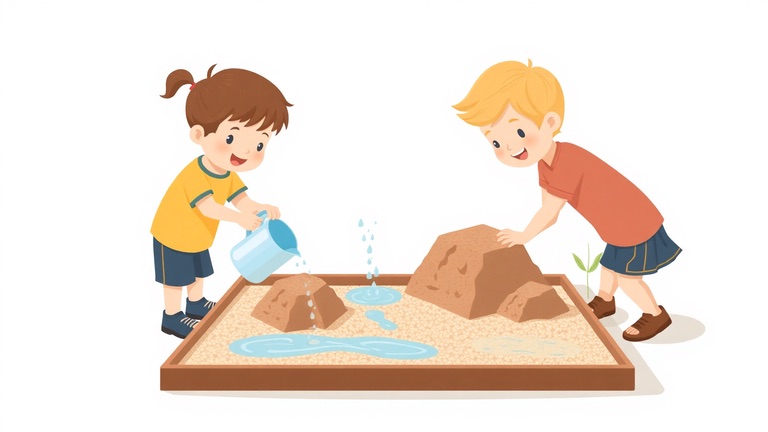
- Shallow tray of sand, a jug of water and a small watering can per group
- Photographs of the Twelve Apostles and a Murray River bend (projected)
- Recording sheet and coloured pencils, one per student
🪜 Support
Work with the sugar-cube jar first and have students describe each change aloud before writing. Give the word bank (weathering, erosion, deposition) taped to the desk and accept labelled drawings instead of sentences.
🚀 Extension
Ask students to explain why the Twelve Apostles will keep changing, predicting which stack will fall next and justifying it with the processes named in the lesson.
📊 Builds towards
Builds the vocabulary and cause-and-effect reasoning students need for the unit's landform investigation report.
⚠️ Safety: Water and sand trays make floors slippery — set them on a mat, keep the jar lids screwed on during shaking, and have students wash their hands afterwards.
Learning intentions
- We are learning to describe how weathering, erosion, transportation and deposition change Earth's surface.
- We are learning to tell the difference between weathering and erosion using real examples.
- We are learning to explain how these processes work together to shape Australian landforms.
Success criteria
- I can define weathering, erosion, transportation and deposition in my own words.
- I can explain why weathering and erosion are different processes, not the same thing.
- I can put the four processes in the correct order using an example landform.
- I can describe an Australian landform that has been shaped by these processes.
Curriculum links
Codes verified against AC v9
- AC9S5U02 — describe how weathering, erosion, transportation and deposition cause slow or rapid change to Earth’s surface
- AC9S5I02 — plan and conduct repeatable investigations to answer questions, including, as appropriate, deciding the variables to be changed, measured and controlled in fair tests; describing potential risks; planning for the safe use of equipment and materials; and identifying required permissions to conduct investigations on Country/Place
- AC9S5I04 — construct and use appropriate representations, including tables, graphs and visual or physical models, to organise and process data and information and describe patterns, trends and relationships
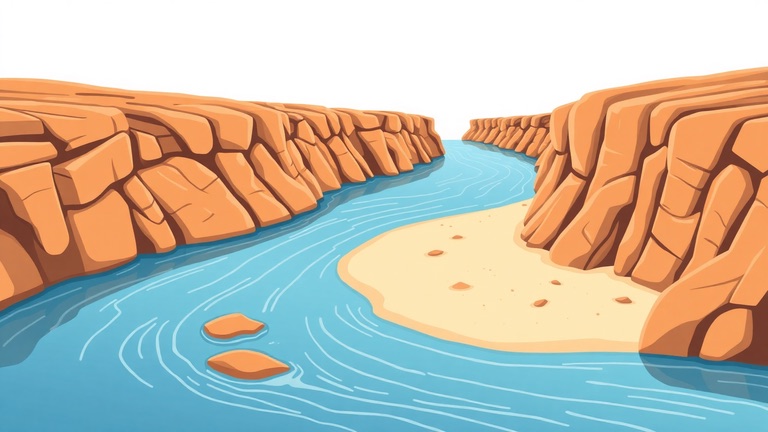
How Water Shapes the Land
Did you know…?
 Photo: pierre pouliquin (BY-NC)
Key words
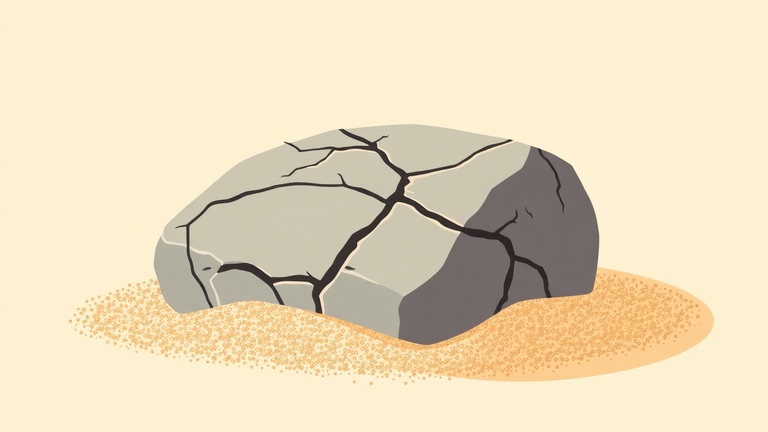 AI illustration
Weathering vs erosion: not the same thing
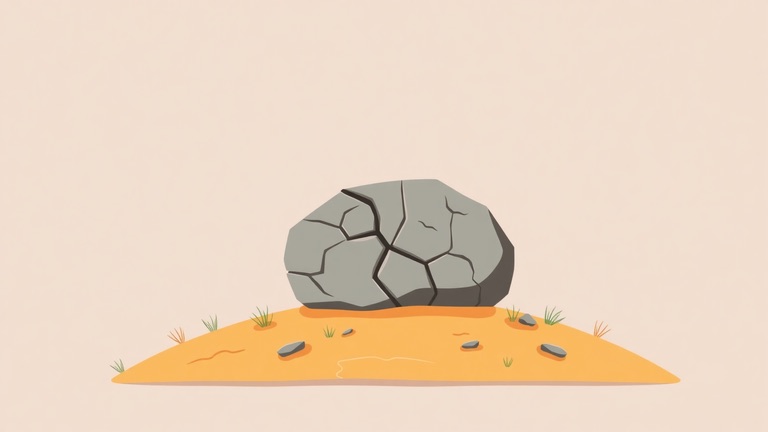 AI illustration
Why this matters
 Photo: denisbin (BY-ND)
Discuss: erosion near you
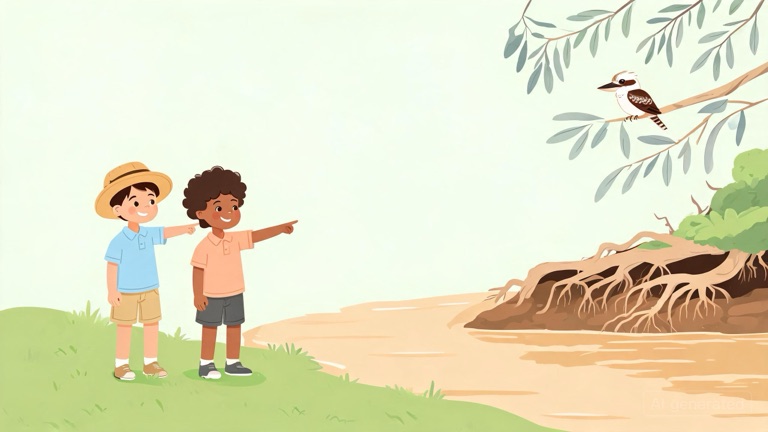 AI illustration
Hands-on: build a mini landscape
 AI illustration